
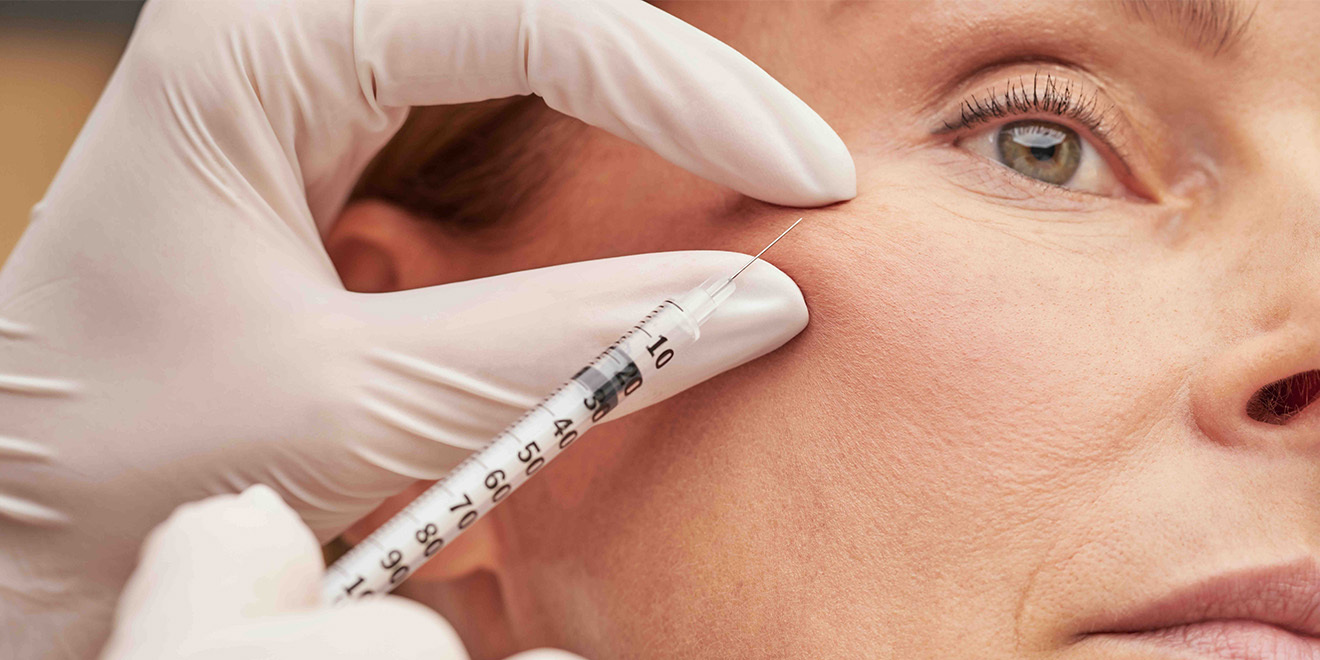
Polynucleotides are increasingly used within aesthetic medicine as a regenerative treatment designed to improve overall skin quality. Rather than focusing on surface level changes, this approach works within the deeper layers of the skin to support natural repair and renewal.
Interest in treatments that support the skin’s own biological processes has grown in recent years, and polynucleotides are often considered part of this shift towards more restorative skin therapies.
What Are Polynucleotides
Polynucleotides are naturally derived molecules composed of chains of nucleotides, which form part of DNA. In aesthetic treatments, they are purified and introduced into the skin to support cellular function and tissue repair.
Their role is not to add volume or alter facial structure, but to encourage the skin to function more efficiently and restore balance over time.
How Polynucleotides Work in the Skin
Once delivered into the skin, polynucleotides support several key biological processes.
One of their primary functions is to stimulate fibroblasts. These cells are responsible for producing collagen and elastin, which contribute to skin strength and elasticity. As fibroblast activity declines with age, the skin may begin to lose firmness. Encouraging their activity can help support a more resilient skin structure.
Polynucleotides also improve hydration by binding water within the skin. This can help the skin appear smoother and more supple, particularly in cases where dryness or dullness is present.
In addition, they support tissue repair by creating an environment that promotes healing. This may be beneficial for skin affected by environmental stress, inflammation, or early signs of ageing.
What Skin Concerns Can Polynucleotides Help Address
Polynucleotide treatments are commonly used to improve a range of skin concerns, including:
- Fine lines and early wrinkles
- Reduced skin elasticity
- Uneven texture
- Dull or dehydrated skin
- Fragile areas such as around the eyes
Because the treatment focuses on improving skin quality rather than masking visible concerns, results tend to develop gradually and appear natural.
What to Expect from Treatment
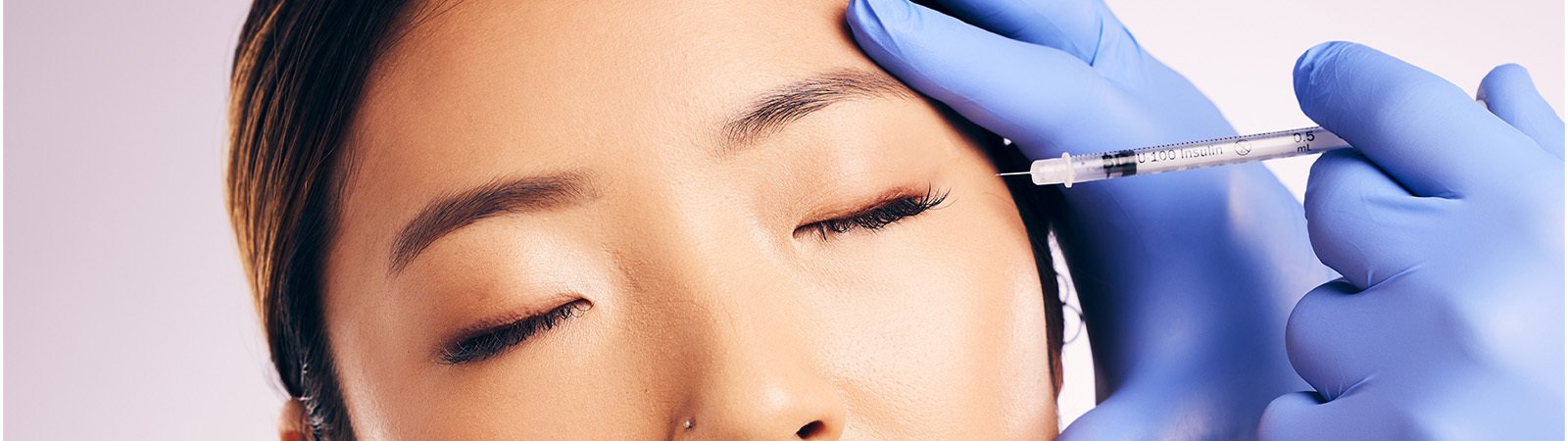
Polynucleotide treatment typically involves a series of small injections into the targeted area. The procedure is relatively quick and generally well tolerated.Some mild redness or swelling may occur after treatment, although this usually settles within a short period of time. Most individuals are able to return to normal activities on the same day.
Changes in the skin tend to appear progressively as the regenerative processes take effect. Improvements in hydration, texture, and overall skin condition may become more noticeable over several weeks.
A course of treatments is often recommended to achieve optimal results, with maintenance sessions depending on individual skin needs.
A Regenerative Approach to Skin Health
Polynucleotides are often described as part of a broader move towards regenerative aesthetic treatments. Rather than providing immediate but temporary changes, they aim to support the skin’s natural ability to repair and maintain itself.
For those interested in improving skin quality through a more biological approach, polynucleotides offer a treatment option that works in alignment with the skin’s own processes.